A storytelling game needs no screen, no kit and almost no preparation. All it asks is that someone starts a story and someone else keeps it going. That makes it ideal for road trips, rainy afternoons, the last ten minutes before the bell, or a family table where nobody wants to clear the plates yet.
This collection is for parents, grandparents, teachers, librarians and youth leaders. It describes 15 games that cost nothing, with a suggested age range and group size for each, plus tips for keeping shy players involved. The ages are rough guides, not rules: a confident six-year-old may love a game listed for eight and up, and teenagers often enjoy the “young” games more than they admit.
Why play with stories out loud?
The National Storytelling Network describes storytelling as an interactive art: the teller uses words and actions, and the listeners’ responses shape the telling, while each listener builds the images in their own imagination. Games make that interaction explicit, because everyone takes a turn as teller and listener.
There is also a practical reason. A 2022 paper in Frontiers in Psychology describes oral narrative skills (telling a connected story out loud) as an important measure of children’s language, with predictive value for later academic performance, particularly reading comprehension. That doesn’t mean a game will raise anyone’s reading level, and no game should feel like a test. It does mean that time spent telling stories together is time spent practicing something that matters. Parent guidance from the Communication Health Support Association, the American Speech-Language-Hearing Association’s nonprofit for families and the public, suggests simple habits along the same lines: making up stories from pictures of familiar people and places, asking children to tell what happened in a story, and acting out a scene or inventing a different ending.
Key idea
The goal is fun and fluency, not polish. A silly story told with confidence is a success.
Quick chooser
| Game | Ages | Group size | Materials |
|---|---|---|---|
| 1. Story chain | 5+ | 2–30 | None |
| 2. Fortunately, unfortunately | 6+ | 2–20 | None |
| 3. Three-object story | 5+ | 1–6 | Three household objects |
| 4. Homemade story dice | 5+ | 1–8 | Paper, pen, tape |
| 5. One word at a time | 7+ | 2–10 | None |
| 6. Story in a bag | 4+ | 2–15 | A bag, small objects |
| 7. Change the ending | 5+ | 1–20 | A familiar story |
| 8. The interview | 7+ | 2–30 | None |
| 9. Five-sentence saga | 8+ | 2–10 | None |
| 10. Alphabet adventure | 8+ | 2–8 | None |
| 11. Picture walk | 3+ | 1–6 | A wordless page or photo |
| 12. Freeze frame | 7+ | 6–30 | Space to move |
| 13. Mystery sound | 6+ | 2–15 | Everyday objects |
| 14. Story spine relay | 9+ | 3–30 | Paper strips |
| 15. Genre swap | 10+ | 2–20 | A simple story |
Games that need nothing at all
1. Story chain
One player starts with a single sentence: “On Tuesday, the goldfish escaped.” The next player adds one sentence, and so on around the circle. The story ends when it reaches a natural finish or a set number of turns. Tip: for younger players, the adult takes every third turn to steer the plot back on track.
2. Fortunately, unfortunately
Players alternate good and bad turns. “Fortunately, the dragon was friendly. Unfortunately, it sneezed fire. Fortunately, we were standing next to a lake…” The rhythm teaches cause and effect and rising tension without anyone needing to name either.
5. One word at a time
A harder version of the chain: each player adds a single word. The results are often absurd, which is half the fun. Older children quickly discover that they have to listen closely and think about grammar to keep the sentence alive.
8. The interview
One player becomes a character (a pirate who hates the sea, a robot on its first day of school) and the others interview them. The “character” invents answers on the spot. This works well for children who freeze when asked to “tell a story” but are happy to answer questions.
9. Five-sentence saga
The group must tell a complete story in exactly five sentences: a beginning, a problem, an attempt, a twist and an ending. Assign one sentence per player, or let one player try all five.
10. Alphabet adventure
Each sentence must start with the next letter of the alphabet. “A bear knocked on the door. Behind it stood… Can I come in?” Skip awkward letters such as X if you like.
Writer’s tip
In any turn-taking game, allow “pass” as a legal move. A player who can pass without embarrassment is far more likely to join in next round.
Games with simple props
3. Three-object story
Collect three random objects (a spoon, a sock, a key). The teller must include all three in a short story. Swap one object each round. For a challenge, the objects must appear in the order they were chosen.
4. Homemade story dice
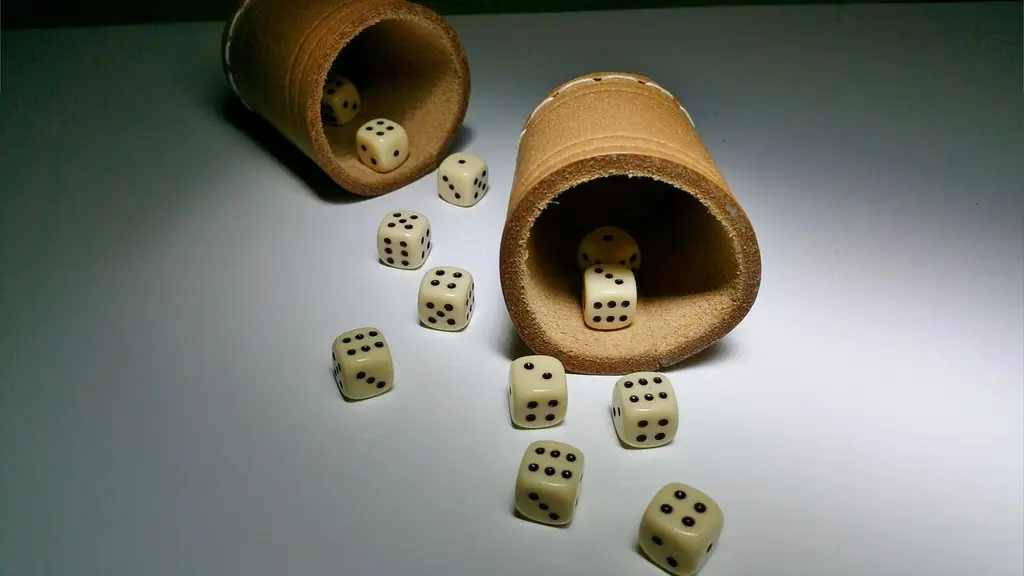
Commercial story-cube sets, sold under names such as Rory’s Story Cubes, are dice printed with small pictures that players roll and link into a story. You can make your own for free. Draw a cube net (a cross of six squares) on paper, sketch a simple picture in each square (a moon, a door, a boot, a storm cloud, a crown, a fish), then fold and tape. Make three to six dice. Players roll them all and tell a story that uses every picture showing.
Try this
Make two different sets of dice: one with characters (a cat, a knight, a twin, a ghost, a chef, a robot) and one with places (a cave, a ship, a city, a forest, a classroom, a moon). Roll one of each before every story so the teller always starts with a who and a where.
6. Story in a bag
Fill a cloth bag with small objects. Each player pulls one out without looking and adds it to the ongoing story. Younger children enjoy the surprise; older ones enjoy the challenge of fitting a rubber duck into a spy thriller.
11. Picture walk
Use a wordless picture book, a postcard or a photograph. The teller narrates what is happening, what happened just before, and what might happen next. This is one of the gentlest ways into storytelling for toddlers and preschoolers, and it matches the advice to make up stories from familiar pictures.
13. Mystery sound
One player makes a sound out of sight (crumpling paper, tapping a glass, jingling keys). The others decide what it was in the story: footsteps on a frozen lake, a secret code, a dragon chewing gravel.
14. Story spine relay
Write these sentence starters on strips of paper: Once upon a time… Every day… But one day… Because of that… Because of that… Until finally… And ever since then… Hand one strip to each player or team, in order. Each completes their line out loud, building on the one before. Our guide to plot structure explains why this frame works so well.
Games that build performance skills
7. Change the ending
Start with a story everyone knows, such as a fairy tale or a movie. Stop just before the ending and ask each player to invent a different one. Then ask: which ending would surprise readers most? Which feels fairest?
12. Freeze frame
Small groups create a still “photograph” of a moment in a story using their bodies. The audience guesses what is happening, and then one member of the frame steps out and narrates what happens next.
15. Genre swap
Retell a simple story (a trip to the grocery store, say) as a horror story, a sports commentary, a nature documentary or a space adventure. This is a favorite with teenagers and a painless way to explore voice and tone.
Running the games well
Keep turns short. A sentence or two per turn keeps everyone alert. Long turns turn listeners into an audience waiting for their go.
Model first. Take the first turn yourself and make it slightly silly. Children copy the energy of the opening.
Praise the move, not the person. “That twist with the key was clever” is more useful than “You’re so creative.”
Don’t correct mid-story. Grammar slips and plot holes can be discussed later, if at all. The flow matters more than accuracy in an oral game.
Write down the best ones. If a story gets a big laugh, offer to write it down. Many children who resist writing will happily dictate a story they have already told.
Note
Safety: small props such as homemade dice, marbles or bottle caps can be a choking hazard for children under 3, so keep them out of reach of babies and toddlers. For movement games like freeze frame, clear a space and agree on a “freeze” signal first. If players share personal stories, remind everyone that what is shared in the circle stays kind.
Adapting for a classroom
In a class of 25 or more, split into groups of four to six so everyone gets plenty of turns. Give each group a different starting line or dice roll, then ask one volunteer per group to retell their story to the class in under a minute. Retelling is itself a valuable skill: the stages of writing development article explains how oral storytelling and early writing support each other.
For a five-minute warm-up before a writing lesson, run a fortunately/unfortunately round, then ask students to write the next two sentences on their own. When you need more starting points, the story idea generator and story starter generator produce fresh openings in seconds. For ideas sorted by age rather than by game, see storytelling activities by age, and for making stories a habit at home, read our guide to family storytelling.
Sources
- What Is Storytelling?National Storytelling Network
- Tips for Your Child’s Speech and Language DevelopmentCommunication Health Support Association (American Speech-Language-Hearing Association’s consumer organization)
- The Evolution of an Innovative Online Task to Monitor Children’s Oral Narrative DevelopmentFrontiers in Psychology (via PubMed Central)