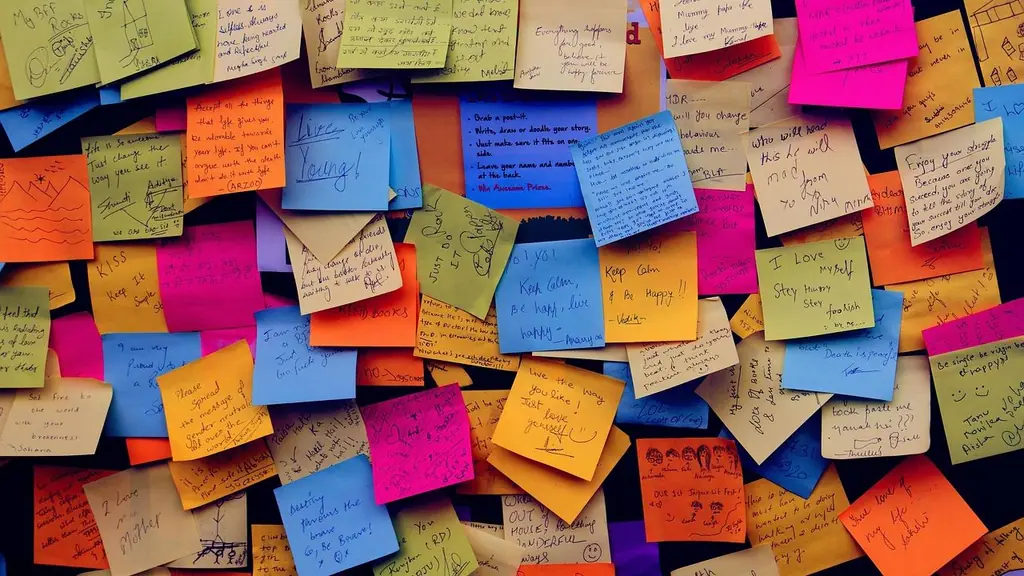
Ten minutes is enough. A child who spends ten focused minutes stretching one sentence, or listing what is in a character’s pockets, practices a real writing skill and finishes before the energy runs out. String a few of those sessions together each week, and many children start using the same skills in longer stories.
This guide is for parents, teachers, librarians and tutors working with children from about kindergarten to grade 8, and for older kids who want to practice on their own. The 25 activities are grouped by the skill they build: observation, sentence play, character, structure and revision. Each lists a typical age range, the time it takes, and a way to make it easier or harder, because a seven-year-old and a twelve-year-old can do the same exercise at very different levels.
Why short, frequent writing helps
The What Works Clearinghouse practice guide Teaching Elementary School Students to Be Effective Writers (2012) recommends daily writing time: at least an hour a day from grade 1, split between teaching skills and practicing them, and at least 30 minutes a day in kindergarten. The panel rated the evidence behind that recommendation as minimal, which means it rests mostly on expert judgment rather than a large body of rigorous studies. Short exercises are simply a practical way to make daily writing happen.
Three habits make every activity below work better:
- Talk first. The same guide suggests children try out sentences orally before writing them, and the National Council of Teachers of English describes talk as support for writing at every stage. Saying a sentence aloud lets a child fix it before the pencil slows them down.
- Write a little, often. Many teachers find that ten minutes several times a week builds more confidence than one long session, because each piece is finished before energy runs out.
- Share without grading. The practice guide recommends building “an engaged community of writers,” for example an Author’s Chair, where one child reads aloud and listeners respond with kind, specific comments such as “I could really picture… because…” Treat these exercises as practice, not tests: respond to the ideas and leave the red pen in the drawer.
Observation exercises
Good description starts with noticing. These activities train the habit before a story asks for it.
1. Five-senses list
Ages 5–9 · 10 minutes. Sit somewhere ordinary, such as the kitchen or a bus stop, and list one thing for each sense. Turn the two best items into a sentence. Easier: draw the scene and label it. Harder: describe the place without using sight at all.
2. Zoom in
Ages 7–12 · 10 minutes. Choose an object, like a shoe or a leaf. Write one sentence about it from across the room, one from arm’s length and one from as close as a magnifying glass. Easier: use a real magnifier and talk through each view first. Harder: make the closest sentence reveal something about the object’s owner.
3. Sound map
Ages 6–10 · 10 minutes. Close your eyes for two minutes. Draw yourself in the middle of a page and write each sound you heard, near sounds close to you, far sounds at the edges. Easier: an adult writes the words while the child points. Harder: write a paragraph that travels from the farthest sound inward.
4. Window report
Ages 8–13 · 15 minutes. Watch from a window for five minutes, then write what happened as a short news report. Easier: three bullet points: who, what, where. Harder: report the same scene as if the street were on another planet.
5. Object autobiography
Ages 8–13 · 15–20 minutes. Pick a well-used object, such as a backpack or a mug, and write its life story in the first person using only clues you can see on it. Easier: answer three questions aloud first: Where have you been? Who uses you? What do you worry about? Harder: keep it under 100 words.
Note
Keep observation safe and simple. Young children should do outdoor observation with an adult nearby, and nobody should point a magnifying glass at the sun or look at the sun through one. If children share writing online, leave out full names, school names and addresses.
Sentence play
These exercises build control over the sentence, which the practice guide groups with handwriting and spelling in a recommendation rated as having moderate evidence.
6. Stretch a sentence
Ages 6–11 · 10 minutes. Start with a tiny sentence and add one answer at a time: who, where, when, why, how. Easier: answer out loud while an adult writes. Harder: stretch it, then cut it back to the strongest eight words.
Example
The dog ran.
The muddy dog ran.
The muddy dog ran across the kitchen.
The muddy dog ran across the kitchen just after Grandma mopped.
The muddy dog ran across the kitchen just after Grandma mopped, chasing a sock nobody had thrown.
7. Six-word stories
Ages 9–13 · 10 minutes. Tell a whole story in exactly six words. Write five, then choose your favorite. Easier: allow ten words. Harder: each story must include someone who wants something.
8. Verb swap
Ages 7–12 · 10 minutes. Take a plain sentence such as “Max went to the door” and rewrite it five ways with stronger verbs (crept, stomped, drifted). Talk about how each verb changes Max’s mood. Easier: choose from a word bank. Harder: no adverbs allowed.
9. Alphabet sentence
Ages 7–11 · 10 minutes. Write a sentence where each word starts with the next letter: “A bored cat dreamed every Friday…” Easier: stop after five letters. Harder: go as far as you can while it still makes sense.
10. Combine and split
Ages 8–13 · 15 minutes. Join three short sentences into one smooth sentence, then take one long, run-on sentence and split it into clear pieces. Easier: join with “and,” “but” or “because.” Harder: use “although,” “until” or “which.”
Character exercises
11. Pocket inventory
Ages 7–12 · 10 minutes. List everything in a character’s pockets or bag. Make at least one item hint at a secret. Easier: draw the items, then name them. Harder: the reader must guess the secret from the list alone.
12. Interview a character
Ages 6–11 · 15 minutes. A partner asks questions and the writer answers in character. Write down the three most surprising answers. Easier: use five set questions (name, age, favorite food, fear, wish). Harder: the partner asks follow-up questions to every answer.
13. Want and won’t
Ages 8–13 · 10 minutes. Write what the character wants most and one thing they will not do to get it. Then write the moment they are tempted. Easier: finish two sentence starters: “More than anything, ___ wants…” and “But ___ will never…” Harder: end the scene without saying what they choose.
14. Same moment, two voices
Ages 9–13 · 20 minutes. Two characters describe the same small event, like a paint pot tipping over, in a few sentences each. Easier: one character is happy and one is upset. Harder: neither character may name their feeling.
15. Name to person
Ages 7–12 · 10 minutes. Get a name from the Character Name and Traits Generator, write three things the name suggests about its owner, then one fact that contradicts them. Easier: pick from three names and talk about each. Harder: write a short scene in which the surprising fact comes out.
Structure exercises
16. Three-box story
Ages 5–8 · 15 minutes. Fold a sheet into three boxes labeled beginning, middle and end. Draw each part, then add a caption. Easier: the adult writes the captions the child dictates. Harder: add a fourth box for “the worst moment.”
17. Problem first
Ages 7–11 · 10 minutes. Put a problem in the very first sentence and solve it within five sentences. Easier: choose a problem from a list (lost pet, broken bike, rained-out party). Harder: the first solution must fail.
18. Ending first
Ages 9–13 · 15 minutes. Write the last line of a story, then the first line, then fill in the middle so the two connect. Easier: use a happy ending. Harder: the last line must echo a word from the first.
19. Cliffhanger swap
Ages 8–12 · 10 minutes. Write a paragraph that stops at a moment of suspense. Swap with a partner, who writes what happens next. Easier: work as a pair out loud before writing. Harder: the partner must solve it in a way the writer did not expect.
20. Five-beat plan
Ages 8–13 · 20 minutes. Roll an opening line with the Story Starter Generator, then plan five beats: who, what they want, what stands in the way, the worst moment and the ending. Easier: three beats only. Harder: write the worst moment as a full scene.
Revision exercises
Revision is where young writers learn that a first draft is a start, not a verdict.
21. Best line
Ages 6–13 · 5 minutes. Underline the sentence you are proudest of and say why. Knowing what works is the first revision skill. Easier: point and tell an adult. Harder: find the weakest line too and fix it.
22. Read it aloud
Ages 7–13 · 10 minutes. Read your draft aloud and mark every place you stumble or get bored. Fix those spots first. Easier: an adult reads it to you. Harder: read it to a partner and ask where they lost interest.
23. Add one, cut one
Ages 8–13 · 10 minutes. Add one detail the reader can see, hear or smell, and cut one sentence the story does not need. Easier: an adult suggests where to add. Harder: repeat three times.
24. Show the feeling
Ages 9–13 · 15 minutes. Find a sentence that names a feeling, such as “She was nervous,” and rewrite it as something the character does. Our guide to show, don’t tell has more examples. Easier: act it out first. Harder: do it for every feeling in the story.
25. Partner questions
Ages 8–13 · 15 minutes. A partner gives two “I could picture… because…” comments and asks one real question. The writer answers the question inside the story. Easier: the partner only gives the comments. Harder: the writer revises without explaining anything aloud.
A week of exercises
You don’t need all 25. A simple rotation keeps practice varied and short:
| Day | Skill | Try |
|---|---|---|
| Monday | Observation | Five-senses list or sound map |
| Tuesday | Sentence play | Stretch a sentence or verb swap |
| Wednesday | Character | Pocket inventory or interview |
| Thursday | Structure | Three-box story or problem first |
| Friday | Revision and sharing | Best line, then Author’s Chair |
In the classroom
For grades K–2, run each exercise orally as a whole class, then let children draw and label. In grades 3–5, pair writers for the character and revision exercises. In grades 6–8, let students choose the “harder” line and keep a folder of drafts to revise later; the National Writing Project describes writers sharpening their ideas “draft by draft.”
When a child is ready for longer pieces, move on to our writing prompts for kids, or roll a fresh idea with the Writing Prompt Generator. If writing itself is the sticking point, start with helping reluctant writers.
Sources
- Teaching Elementary School Students to Be Effective WritersInstitute of Education Sciences, What Works Clearinghouse
- Professional Knowledge for the Teaching of WritingNational Council of Teachers of English
- Why Writing?National Writing Project